
Industrial chemicals play an important role in modern economies. They are used in manufacturing, agriculture, construction, healthcare, water treatment, food processing, automotive production, and many other sectors.
As industries continue to grow and evolve, access to reliable chemical materials remains essential for maintaining production processes and supporting operational efficiency.
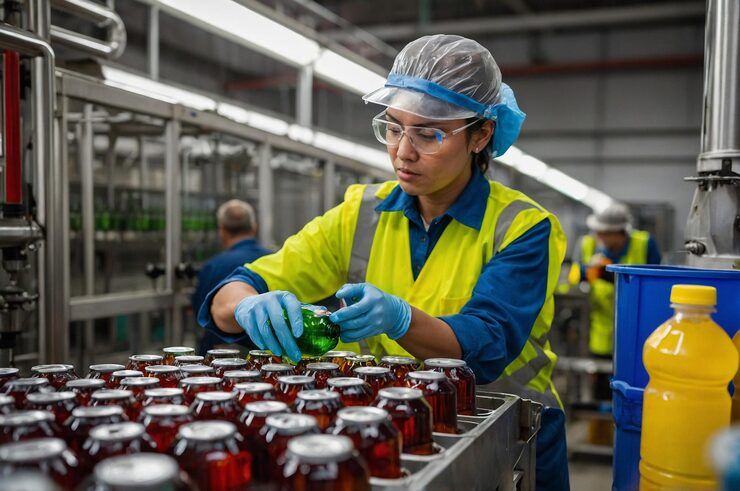
Mexico is one of the largest industrial economies in Latin America, with strong manufacturing, automotive, electronics, energy, and agricultural sectors. Because these industries depend on a wide range of chemical products, the role of a Chemical Supplier in Mexico is significant within the broader industrial ecosystem.
This guide explains the role of chemical suppliers, the types of industrial chemicals commonly used, major business applications, supply chain considerations, safety requirements, and emerging trends influencing the chemical industry in Mexico.
Understanding the Role of a Chemical Supplier
A chemical supplier functions as a connection between chemical manufacturers and industrial users. These organizations help distribute chemical products to businesses that require them for production, processing, maintenance, and research activities.
Industries often depend on chemical suppliers for:
Material availability
Inventory management
Product documentation
Distribution coordination
Regulatory information
Technical specifications
Without effective supply networks, industrial operations may experience delays that affect productivity and planning.
Why Industrial Chemicals Are Important
Many products used in everyday life rely on industrial chemicals during manufacturing or processing.
Examples include:
Paints and coatings
Plastics and polymers
Pharmaceuticals
Cleaning compounds
Agricultural products
Construction materials
Electronics components
Industrial chemicals support both large-scale manufacturing facilities and smaller production operations.
Because of their widespread use, maintaining consistent access to these materials is important across multiple industries.
Industrial Growth and Chemical Demand in Mexico
Mexico has developed a diverse industrial base that includes:
Automotive manufacturing
Food processing
Aerospace production
Electronics manufacturing
Agriculture
Construction
Energy production
These industries use various chemical products throughout their operations.
A Chemical Supplier in Mexico helps support industrial growth by ensuring that businesses have access to the materials required for production and operational continuity.
As industrial activity expands, demand for specialized chemicals often increases as well.
Common Types of Industrial Chemicals
Industrial sectors utilize a broad range of chemical products depending on their specific requirements.
Basic Chemicals
Basic chemicals serve as raw materials for many manufacturing processes.
Examples include:
Acids
Alkalis
Solvents
Industrial gases
These materials often form the foundation of more complex products.
Specialty Chemicals
Specialty chemicals are designed for specific industrial applications.
Examples may include:
Coatings
Adhesives
Water treatment compounds
Performance additives
These products are often tailored to meet particular technical requirements.
Agricultural Chemicals
Agricultural operations use chemical products to support crop production and soil management.
Examples include:
Fertilizers
Soil conditioners
Nutrient supplements
Agriculture remains an important contributor to Mexico's economy, increasing demand for these materials.
Food Processing Chemicals
Food production facilities use approved chemicals during processing, sanitation, and quality management activities.
These materials help support food safety and operational efficiency.
Applications in Manufacturing
Manufacturing is one of the largest consumers of industrial chemicals.
Chemical products are used for:
Material processing
Equipment maintenance
Surface treatment
Cleaning procedures
Product formulation
Manufacturers depend on consistent material availability to maintain production schedules and operational efficiency.
Even temporary interruptions in chemical supply can affect production timelines.
Automotive Industry Applications
Mexico is a major automotive manufacturing hub.
Automotive production often requires chemicals for:
Coatings and finishes
Plastic components
Lubrication processes
Cleaning systems
Metal treatment
Chemical suppliers contribute to automotive supply chains by helping manufacturers access the materials needed throughout the production process.
Construction Industry Applications
Construction projects utilize numerous chemical products during development and maintenance.
Examples include:
Concrete additives
Sealants
Waterproofing materials
Protective coatings
Adhesives
These materials help support infrastructure development, commercial construction, and residential projects.
As construction activity grows, demand for construction-related chemicals often increases.
Water Treatment and Environmental Management
Water treatment facilities use chemicals to support purification and environmental management processes.
Applications may include:
Water disinfection
pH control
Contaminant removal
Wastewater treatment
Access to treatment chemicals helps support public infrastructure and industrial water management activities.
Environmental regulations also influence how these materials are used and managed.
Supply Chain Management and Distribution
One of the most important responsibilities of a Chemical Supplier in Mexico involves managing supply chains effectively.
This includes:
Warehousing
Transportation planning
Inventory control
Delivery coordination
Demand forecasting
Efficient supply chain management helps reduce delays and supports operational continuity across industries.
Modern distribution networks often combine road, rail, maritime, and logistics infrastructure to move materials throughout the country.
Safety Considerations in Chemical Handling
Chemical products require careful handling during storage, transportation, and usage.
Important safety practices include:
Proper labeling
Secure packaging
Controlled storage conditions
Employee training
Emergency response planning
Safety measures help protect workers, facilities, and surrounding communities.
Organizations handling chemicals must also follow applicable regulations and industry standards.
Regulatory Compliance
Chemical products are often subject to legal and regulatory requirements.
Compliance activities may involve:
Documentation management
Safety data records
Transportation regulations
Environmental standards
Product classification procedures
Maintaining compliance supports responsible chemical management and operational transparency.
Businesses often review regulatory requirements regularly to ensure continued adherence to applicable rules.
Technology and Digital Transformation
Technology is changing how chemical supply networks operate.
Modern tools support:
Inventory monitoring
Shipment tracking
Warehouse automation
Data analytics
Supply chain visibility
Digital systems help organizations monitor material movement more efficiently and make informed planning decisions.
These technologies also contribute to improved coordination across supply networks.
Sustainability in the Chemical Industry
Sustainability has become an important focus across many industrial sectors.
Chemical organizations increasingly explore approaches related to:
Resource efficiency
Waste reduction
Energy management
Environmental compliance
Circular economy practices
These efforts aim to support long-term environmental and operational objectives.
As sustainability initiatives continue to expand, they are expected to influence chemical production and distribution strategies.
Future Trends for Chemical Suppliers in Mexico
Several developments are shaping the future of the chemical industry.
Advanced Logistics Systems
Technology-driven logistics tools continue improving transportation planning and distribution efficiency.
Data-Driven Supply Chains
Analytics platforms support forecasting, inventory optimization, and operational planning.
Automation Technologies
Automated systems are becoming more common within warehousing and distribution operations.
Sustainable Chemical Solutions
Organizations continue exploring environmentally conscious approaches to chemical production and management.
Increased Industrial Integration
Supply chain coordination is becoming more interconnected through digital platforms and real-time information sharing.
These trends are expected to influence industrial operations throughout Mexico in the coming years.
Conclusion
A Chemical Supplier in Mexico plays an important role in supporting industries that depend on industrial chemicals for production, maintenance, processing, and operational efficiency. From manufacturing and automotive production to agriculture, construction, and water treatment, chemical products contribute to numerous economic activities.
Understanding how chemical supply chains function, the types of chemicals used across industries, safety considerations, regulatory requirements, and emerging industry trends can provide valuable insight into this important sector. As industrial development and technological innovation continue, chemical suppliers will remain an essential part of Mexico’s industrial infrastructure and economic growth.