
Indonesia is one of Southeast Asia’s largest economies, with industries ranging from manufacturing and agriculture to food processing, construction, mining, healthcare, and water treatment. Behind many of these sectors is a complex network of chemical distribution and supply systems that help keep production processes running smoothly.
Chemical products play an important role in modern industrial operations. They are used in manufacturing, cleaning processes, water treatment, agriculture, packaging, construction materials, and many other applications. Because industries often depend on a steady flow of raw materials and processing chemicals, Chemical Suppliers in Indonesia contribute significantly to operational continuity.
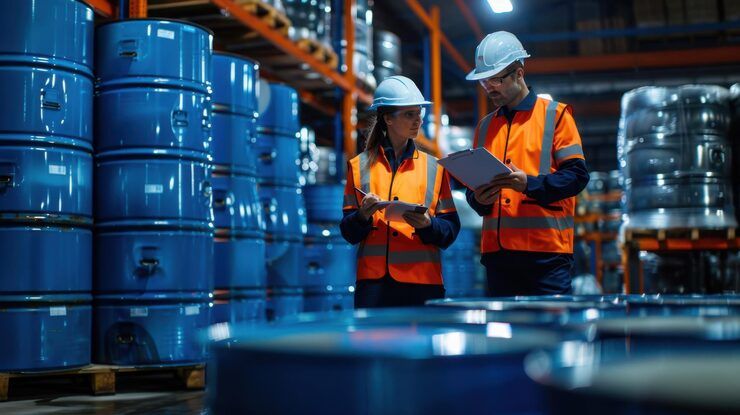
This article explores how Chemical Suppliers in Indonesia support industrial activities, maintain supply chains, assist with quality management, and help industries operate efficiently in a competitive global environment.
Understanding the Role of Chemical Suppliers
Chemical suppliers act as a link between chemical manufacturers and industrial users. Their role involves managing the movement of chemical products from production facilities to businesses that require those materials for daily operations.
Industries use chemical products for various purposes, including:
Manufacturing processes
Product formulation
Cleaning and sanitation
Water treatment
Surface finishing
Agricultural applications
Research and development
Without a reliable supply chain, industrial production can face interruptions that affect productivity and planning.
Why Chemicals Are Important in Modern Industries
Chemicals are present in many products and industrial activities that people encounter every day.
Examples include:
Food processing ingredients
Pharmaceutical compounds
Industrial coatings
Agricultural fertilizers
Water treatment chemicals
Textile processing materials
Plastic manufacturing components
Because these materials support numerous sectors, efficient distribution and inventory management are essential.
Chemical Suppliers in Indonesia and Industrial Growth
Indonesia has experienced substantial industrial development over the years. Manufacturing facilities, infrastructure projects, and export-oriented industries require access to a wide range of chemical materials.
Chemical Suppliers in Indonesia help support this growth by:
Maintaining material availability
Coordinating distribution networks
Supporting inventory planning
Facilitating product transportation
Connecting industries with chemical producers
These activities contribute to smoother industrial operations across multiple sectors.
Supporting Manufacturing Operations
Manufacturing is one of the largest users of industrial chemicals.
Factories often depend on chemicals for:
Production processes
Equipment maintenance
Surface treatment
Quality control
Product development
Consistent access to required materials helps manufacturers maintain production schedules and operational efficiency.
When materials arrive on time and in the required quantities, production disruptions can be minimized.
Assisting the Food Processing Industry
The food processing sector relies on various approved chemical materials for processing, preservation, sanitation, and quality management.
Examples include:
Cleaning compounds
Water treatment chemicals
Processing aids
Food-grade ingredients
Chemical suppliers help ensure that processing facilities have access to the materials necessary for maintaining hygiene standards and production continuity.
Supporting Water Treatment Operations
Clean water is essential for communities, industries, and infrastructure systems.
Water treatment facilities often use chemicals for:
Purification
Disinfection
pH adjustment
Contaminant removal
Chemical Suppliers in Indonesia contribute to these operations by helping maintain access to the materials needed for water treatment processes.
Reliable supply chains are particularly important because water treatment activities often operate continuously.
Contributions to Agriculture
Agriculture remains an important sector within Indonesia's economy.
Chemical products used in agriculture may include:
Fertilizers
Soil treatment materials
Crop protection compounds
Nutrient supplements
Agricultural operations frequently depend on timely access to these materials to support planting schedules and crop management activities.
Efficient distribution helps agricultural producers maintain productivity throughout growing seasons.
Supporting Construction and Infrastructure Projects
Construction projects utilize numerous chemical products during development and maintenance activities.
Examples include:
Concrete additives
Adhesives
Sealants
Protective coatings
Waterproofing materials
Large infrastructure projects often require coordinated delivery schedules to maintain project timelines.
Chemical suppliers help support these requirements through logistics planning and inventory management.
Inventory Management and Supply Chain Coordination
One of the important functions performed by chemical suppliers involves inventory planning and distribution management.
Industries often seek to balance:
Material availability
Storage capacity
Production schedules
Transportation efficiency
Chemical suppliers help coordinate these factors to reduce delays and improve operational continuity.
Effective inventory management can help industries avoid shortages while maintaining organized storage systems.
Product Quality and Consistency
Industrial operations frequently require materials that meet specific quality standards.
Consistency is important because variations in raw materials may affect:
Product performance
Manufacturing efficiency
Regulatory compliance
Production outcomes
Chemical suppliers often work within quality management frameworks designed to support consistent product handling and distribution.
Documentation and traceability also play important roles in maintaining quality standards.
Safety Considerations in Chemical Distribution
Chemical handling requires attention to safety practices throughout transportation and storage processes.
Safety measures may include:
Proper labeling
Secure packaging
Storage guidelines
Transportation procedures
Employee training
Chemical suppliers help support safe handling practices by following applicable regulations and industry standards.
These measures contribute to workplace safety and environmental protection.
Transportation and Logistics Networks
Indonesia's geography presents unique logistical challenges because the country consists of thousands of islands spread across a large area.
Chemical Suppliers in Indonesia often coordinate transportation through:
Road networks
Maritime transportation
Warehousing facilities
Distribution centers
Efficient logistics systems help industries receive materials when needed, even in geographically diverse regions.
Reliable transportation planning remains a key component of chemical distribution.
Regulatory Compliance and Industry Standards
Chemical products are often subject to regulations governing storage, transportation, labeling, and usage.
Suppliers may assist industries by providing:
Product documentation
Safety information
Compliance records
Technical specifications
Maintaining compliance helps organizations operate within applicable legal and regulatory frameworks.
Understanding regulatory requirements is especially important for industries handling specialized materials.
Technology in Chemical Supply Operations
Digital technologies are increasingly influencing supply chain management.
Modern tools may support:
Inventory tracking
Shipment monitoring
Demand forecasting
Warehouse management
Data analysis
Technology helps improve visibility throughout the supply chain and supports more informed planning decisions.
These advancements contribute to greater operational efficiency across industrial sectors.
Future Trends for Chemical Suppliers in Indonesia
Several trends are shaping the future of chemical distribution and industrial supply networks.
Digital Supply Chains
Digital platforms continue improving communication and inventory management capabilities.
Sustainability Initiatives
Industries are increasingly focused on environmentally responsible practices and resource management.
Advanced Logistics Systems
Technology-driven logistics solutions are helping improve transportation efficiency and delivery coordination.
Data-Driven Planning
Analytics tools support demand forecasting and inventory optimization efforts.
These developments are expected to influence how chemical supply networks evolve in the coming years.
Conclusion
Chemical Suppliers in Indonesia play an important role in supporting industries that depend on reliable access to chemical materials. From manufacturing and agriculture to water treatment and construction, many sectors rely on efficient supply chains to maintain daily operations.
By supporting inventory management, logistics coordination, quality consistency, safety practices, and regulatory compliance, chemical suppliers help industries operate more effectively. As technology and sustainability initiatives continue shaping industrial operations, the role of chemical distribution networks will remain an important part of Indonesia’s industrial development and economic growth.