
A bathroom is one of the most frequently used areas in any home. Beyond its practical purpose, it can also contribute to comfort, relaxation, and the overall appearance of a property. Over time, changing needs, outdated fixtures, or limited functionality may inspire homeowners to consider remodeling their bathrooms.
Bathroom remodeling is not only about updating appearances. A well-planned renovation can improve storage, increase efficiency, enhance accessibility, and create a more comfortable environment for daily use. Whether working with a compact guest bathroom or a spacious master suite, thoughtful design choices can transform the space into a modern and functional area.
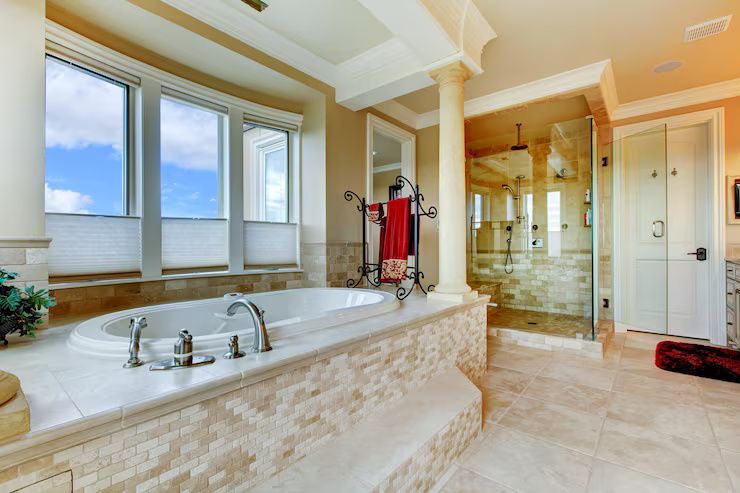
This guide explores bathroom remodeling ideas, design considerations, popular features, and practical tips to help homeowners create a space that balances style and functionality.
Why Consider a Bathroom Remodel?
Bathrooms experience daily wear and tear. Fixtures, flooring, cabinetry, and plumbing systems may gradually show signs of age. Remodeling provides an opportunity to address these issues while improving the overall layout and usability of the room.
Common reasons homeowners choose to remodel include:
Updating outdated designs
Improving storage space
Enhancing functionality
Increasing water efficiency
Improving accessibility
Creating a more modern appearance
Addressing maintenance concerns
A remodeling project can help align the bathroom with current household needs and design preferences.
Planning Your Bathroom Remodel
Successful bathroom remodeling begins with careful planning.
Before selecting materials or fixtures, consider the following questions:
How will the bathroom be used?
What features are most important?
Is additional storage needed?
Does the layout need modification?
Are there accessibility requirements?
Establishing clear goals helps guide design decisions throughout the project.
Modern Bathroom Design Trends
Many homeowners seek a clean and contemporary look when remodeling.
Modern bathroom designs often emphasize simplicity, functionality, and efficient use of space.
Popular characteristics include:
Neutral color palettes
Minimalist fixtures
Open layouts
Natural materials
Improved lighting
Streamlined storage solutions
These elements help create a calm and organized environment.
Upgrading Bathroom Fixtures
Replacing outdated fixtures can significantly improve both appearance and functionality.
Modern Faucets
Contemporary faucet designs often feature clean lines and water-efficient technology.
Available styles include:
Single-handle faucets
Wall-mounted faucets
Touchless options
Matte and metallic finishes
Updated Toilets
Modern toilets may incorporate features such as:
Water-saving mechanisms
Compact designs
Improved flushing systems
These upgrades can contribute to efficiency and ease of maintenance.
Stylish Sinks
Bathroom sinks are available in various styles, including:
Vessel sinks
Undermount sinks
Pedestal sinks
Integrated countertop sinks
The appropriate choice depends on available space and design preferences.
Enhancing Shower Areas
Showers are often a focal point in bathroom renovations.
Walk-In Showers
Walk-in showers have become increasingly popular because they provide a spacious and accessible design.
Common features include:
Frameless glass panels
Large-format tiles
Built-in shelving
Rainfall showerheads
Multi-Function Shower Systems
Modern shower systems may include:
Adjustable spray settings
Handheld showerheads
Body spray features
These additions can improve convenience and comfort.
Tile Design Options
Tile selection plays an important role in both appearance and durability.
Popular choices include:
Porcelain tiles
Ceramic tiles
Natural stone
Textured wall tiles
Mixing tile patterns can add visual interest while maintaining a cohesive design.
Creating Better Storage Solutions
Storage is often one of the biggest challenges in bathroom design.
Effective storage solutions help reduce clutter and improve organization.
Vanity Cabinets
Modern vanities provide concealed storage for daily essentials.
Options include:
Single-sink vanities
Double-sink vanities
Floating vanities
Built-In Shelving
Built-in shelves can maximize available wall space without occupying additional floor area.
Medicine Cabinets
Updated medicine cabinets combine storage and mirror functionality.
Drawer Organizers
Internal organizers help keep toiletries and personal items neatly arranged.
Well-designed storage systems contribute to a cleaner and more functional bathroom.
Choosing the Right Lighting
Lighting significantly affects both functionality and atmosphere.
A layered lighting approach often produces the most balanced results.
Task Lighting
Task lighting helps improve visibility around mirrors and grooming areas.
Ambient Lighting
Ambient lighting provides general illumination throughout the room.
Accent Lighting
Accent lighting highlights architectural features, shelving, or decorative elements.
LED lighting has become a popular choice due to its energy efficiency and long lifespan.
Selecting Bathroom Flooring
Bathroom flooring should balance appearance, durability, and moisture resistance.
Popular flooring materials include:
Porcelain Tile
Porcelain tile is widely used because it is durable and water-resistant.
Ceramic Tile
Ceramic flooring is available in many styles and finishes.
Luxury Vinyl Flooring
Luxury vinyl flooring can mimic natural materials while providing moisture resistance.
Natural Stone
Stone flooring creates a sophisticated appearance and unique texture.
The ideal flooring choice depends on maintenance preferences and design goals.
Improving Accessibility
Accessibility features can improve safety and convenience for people of all ages.
Common accessibility upgrades include:
Walk-in showers
Grab bars
Slip-resistant flooring
Comfort-height toilets
Wider doorways
Incorporating these features during a remodel can support long-term usability.
Incorporating Smart Bathroom Technology
Technology is becoming increasingly common in modern bathrooms.
Examples include:
Smart Mirrors
These mirrors may include:
Integrated lighting
Digital displays
Anti-fog functions
Touchless Fixtures
Touchless faucets can improve convenience and hygiene.
Smart Lighting Controls
Automated lighting systems allow users to adjust brightness and scheduling preferences.
Temperature Controls
Digital controls can help maintain consistent water temperatures.
Technology can enhance both comfort and efficiency when integrated thoughtfully.
Color and Material Selection
Color choices influence the overall feel of the bathroom.
Popular modern palettes include:
White
Gray
Beige
Soft earth tones
Natural wood finishes
Combining neutral colors with textured materials can create a timeless appearance.
Natural materials such as stone, wood-inspired finishes, and textured tiles continue to be popular design elements.
Tips for a Successful Bathroom Remodel
To achieve a functional and attractive result, consider the following recommendations:
Define remodeling goals early
Prioritize functionality
Plan adequate storage
Select durable materials
Consider future accessibility needs
Focus on efficient lighting
Maintain a cohesive design theme
Evaluate long-term maintenance requirements
Careful planning often leads to smoother project execution and more satisfying outcomes.
Conclusion
Bathroom remodeling provides an opportunity to improve comfort, functionality, and visual appeal within one of the most important spaces in a home. From updating fixtures and improving storage to incorporating modern technology and accessibility features, thoughtful remodeling decisions can create a bathroom that better supports daily routines.
Whether the goal is a complete transformation or a series of smaller upgrades, focusing on layout, materials, lighting, and practical design solutions can help create a modern and functional space that remains useful and attractive for years to come.