Chemical fluids play an essential role in modern industry. They are used in manufacturing, energy production, water treatment, agriculture, healthcare, transportation, electronics, and countless other sectors. From industrial lubricants and cleaning solutions to specialty chemicals and process fluids, these products support a wide range of operational activities.
Chemical fluid manufacturing involves carefully controlled production processes that transform raw materials into liquid formulations designed for specific industrial applications. The industry relies on advanced equipment, quality control procedures, and precise formulations to ensure consistent performance and safety.
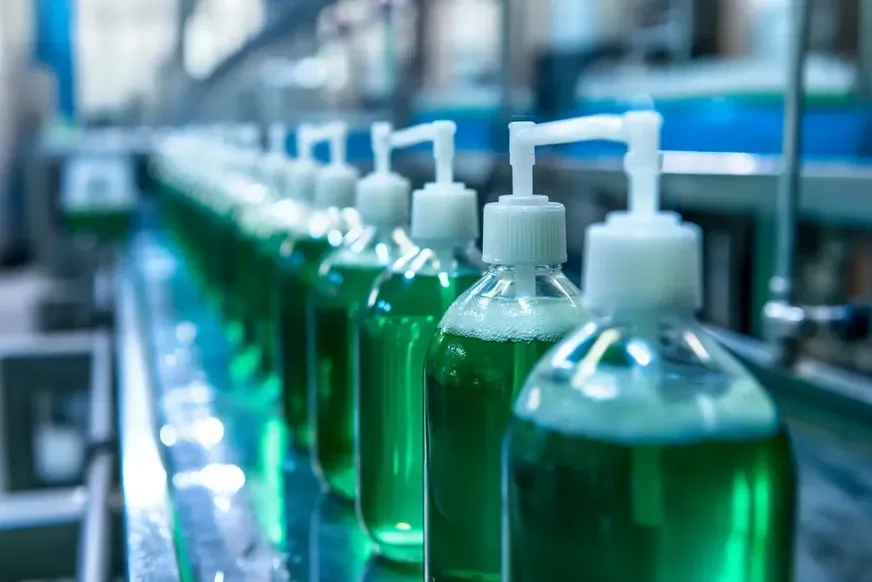
This guide explores chemical fluid manufacturing, its production processes, major applications, and its importance in modern industrial operations.
What Is Chemical Fluid Manufacturing?
Chemical fluid manufacturing is the process of producing liquid chemical products through blending, mixing, reaction, purification, and quality control procedures.
These fluids may include:
- Industrial lubricants
- Process chemicals
- Cleaning solutions
- Heat transfer fluids
- Hydraulic fluids
- Water treatment chemicals
- Agricultural formulations
- Specialty industrial liquids
Each product is developed to perform a specific function within industrial, commercial, or technical environments.
Why Chemical Fluids Are Important
Chemical fluids support many essential industrial processes.
They help organizations:
- Improve equipment performance
- Support manufacturing operations
- Transfer heat efficiently
- Reduce friction
- Maintain cleanliness
- Treat water systems
- Facilitate chemical reactions
Without specialized chemical fluids, many industrial systems would operate less efficiently or face increased maintenance challenges.
Understanding Chemical Fluid Production
Chemical fluid manufacturing typically involves several stages designed to ensure product quality and consistency.
The exact process depends on the intended application and formulation requirements.
However, most production systems follow a structured workflow.
Raw Material Selection
The manufacturing process begins with the selection of raw materials.
Common materials include:
- Base chemicals
- Solvents
- Additives
- Surfactants
- Stabilizers
- Performance enhancers
- Water-based ingredients
Raw material quality directly influences the final product's performance and reliability.
Manufacturers often implement strict quality standards during material sourcing and inspection.
Formulation Development
Before production begins, chemical specialists develop formulations based on performance requirements.
Formulation development considers factors such as:
- Viscosity
- Chemical stability
- Temperature tolerance
- Compatibility
- Safety requirements
- Application conditions
Laboratory testing helps verify that formulations meet intended specifications.
Mixing and Blending Processes
Mixing and blending are among the most important stages of chemical fluid manufacturing.
During this phase, ingredients are combined in precise proportions.
Specialized equipment may include:
- Mixing tanks
- Agitators
- High-shear mixers
- Blending vessels
- Automated dosing systems
Proper mixing helps ensure uniform product composition throughout the production batch.
Chemical Reaction Processes
Some chemical fluids require controlled reactions between ingredients.
Reaction-based manufacturing may involve:
- Temperature control
- Pressure management
- Catalyst utilization
- Reaction monitoring
Carefully managed reaction conditions help achieve desired chemical properties and product consistency.
Filtration and Purification
After mixing or chemical processing, fluids often undergo purification procedures.
Common purification methods include:
- Filtration
- Separation processes
- Clarification
- Particle removal
These processes help improve product quality and remove unwanted contaminants.
Quality Control and Testing
Quality control is an essential component of chemical fluid manufacturing.
Manufacturers perform testing to verify product characteristics such as:
- Viscosity
- Density
- pH levels
- Stability
- Purity
- Performance requirements
Testing helps ensure that products meet operational and regulatory standards before distribution.
Packaging and Storage
Once quality verification is complete, products are transferred to packaging systems.
Packaging formats may include:
- Drums
- Intermediate bulk containers
- Storage tanks
- Bottles
- Industrial containers
Proper storage conditions help preserve product quality throughout its shelf life.
Types of Chemical Fluids
Chemical fluid manufacturing supports a diverse range of products.
Industrial Lubricants
Lubricants help reduce friction and wear in mechanical systems.
Applications include:
- Machinery operation
- Manufacturing equipment
- Industrial gear systems
- Hydraulic equipment
Hydraulic Fluids
Hydraulic fluids transfer power within hydraulic systems.
Common applications include:
- Construction equipment
- Industrial machinery
- Material handling systems
- Manufacturing operations
Heat Transfer Fluids
Heat transfer fluids facilitate temperature control within industrial processes.
Industries use these fluids for:
- Thermal management
- Energy production
- Manufacturing systems
- Process heating
Water Treatment Chemicals
Water treatment fluids support water quality management.
Applications include:
- Industrial water systems
- Municipal treatment facilities
- Cooling towers
- Wastewater processing
Cleaning and Process Fluids
Industrial cleaning solutions help maintain equipment and production environments.
These products support:
- Surface cleaning
- Equipment maintenance
- Production hygiene
- Process preparation
Industrial Applications of Chemical Fluids
Chemical fluids support numerous industries worldwide.
Manufacturing
Manufacturers use chemical fluids for:
- Equipment operation
- Process control
- Cooling systems
- Production efficiency
Energy Production
Power generation facilities rely on specialized fluids for operational support.
Examples include:
- Lubrication systems
- Heat transfer processes
- Hydraulic equipment
Automotive Industry
Automotive operations utilize:
- Engine fluids
- Hydraulic fluids
- Cooling solutions
- Cleaning chemicals
Electronics Manufacturing
Electronic production facilities use chemical fluids for:
- Cleaning processes
- Component manufacturing
- Surface treatment applications
Agriculture
Agricultural operations utilize fluid-based formulations for various production requirements.
Water Management
Water treatment facilities depend on specialized chemical fluids for purification and system management.
Benefits of Modern Chemical Fluid Manufacturing
Advanced manufacturing technologies provide several operational advantages.
Consistent Product Quality
Automated systems help maintain uniform product characteristics.
Improved Production Efficiency
Modern equipment supports faster and more controlled manufacturing processes.
Enhanced Safety
Automated handling systems help improve workplace safety.
Better Process Control
Digital monitoring systems allow precise management of production variables.
Scalability
Manufacturing systems can often support both small and large production volumes.
Environmental Considerations
Environmental responsibility has become increasingly important within chemical manufacturing.
Organizations may focus on:
- Waste reduction
- Resource efficiency
- Emission management
- Sustainable production practices
- Recycling initiatives
These efforts support environmental objectives while maintaining operational performance.
Automation in Chemical Fluid Manufacturing
Many production facilities incorporate automation technologies.
Automation may support:
- Ingredient dosing
- Process monitoring
- Quality control
- Batch management
- Data collection
Automated systems help improve consistency, efficiency, and traceability throughout production operations.
Emerging Industry Trends
The chemical fluid manufacturing industry continues to evolve through technological innovation.
Important trends include:
- Advanced process automation
- Digital production monitoring
- Artificial intelligence applications
- Sustainable formulations
- Predictive maintenance systems
- Real-time quality management
These developments help improve productivity and operational performance.
Challenges in Chemical Fluid Manufacturing
Manufacturers must address several operational challenges.
Common considerations include:
- Raw material availability
- Regulatory compliance
- Product consistency
- Process optimization
- Quality assurance
- Environmental management
Effective planning and process control help organizations manage these challenges successfully.
Future of Chemical Fluid Manufacturing
As industrial requirements continue to evolve, chemical fluid manufacturing is expected to become increasingly sophisticated.
Future developments may include:
- Greater automation
- Enhanced sustainability initiatives
- Advanced formulation technologies
- Improved production analytics
- Smart manufacturing systems
These innovations are likely to support more efficient and adaptable manufacturing operations.
Conclusion
Chemical fluid manufacturing is a critical industry that supports a wide range of industrial and commercial activities. Through carefully controlled production processes, manufacturers create specialized fluids that enable equipment operation, process efficiency, water treatment, thermal management, and numerous other applications.
From raw material selection and formulation development to quality control and packaging, every stage of production contributes to product performance and reliability. Understanding chemical fluid manufacturing provides valuable insight into the technologies and processes that help power modern industry.