
Clean water is essential for homes, businesses, manufacturing facilities, agriculture, healthcare environments, and public infrastructure. As water moves through natural and industrial systems, it can contain impurities such as sediment, minerals, organic matter, microorganisms, and other contaminants.
Water filtration processing plays an important role in removing these unwanted substances and improving overall water quality.
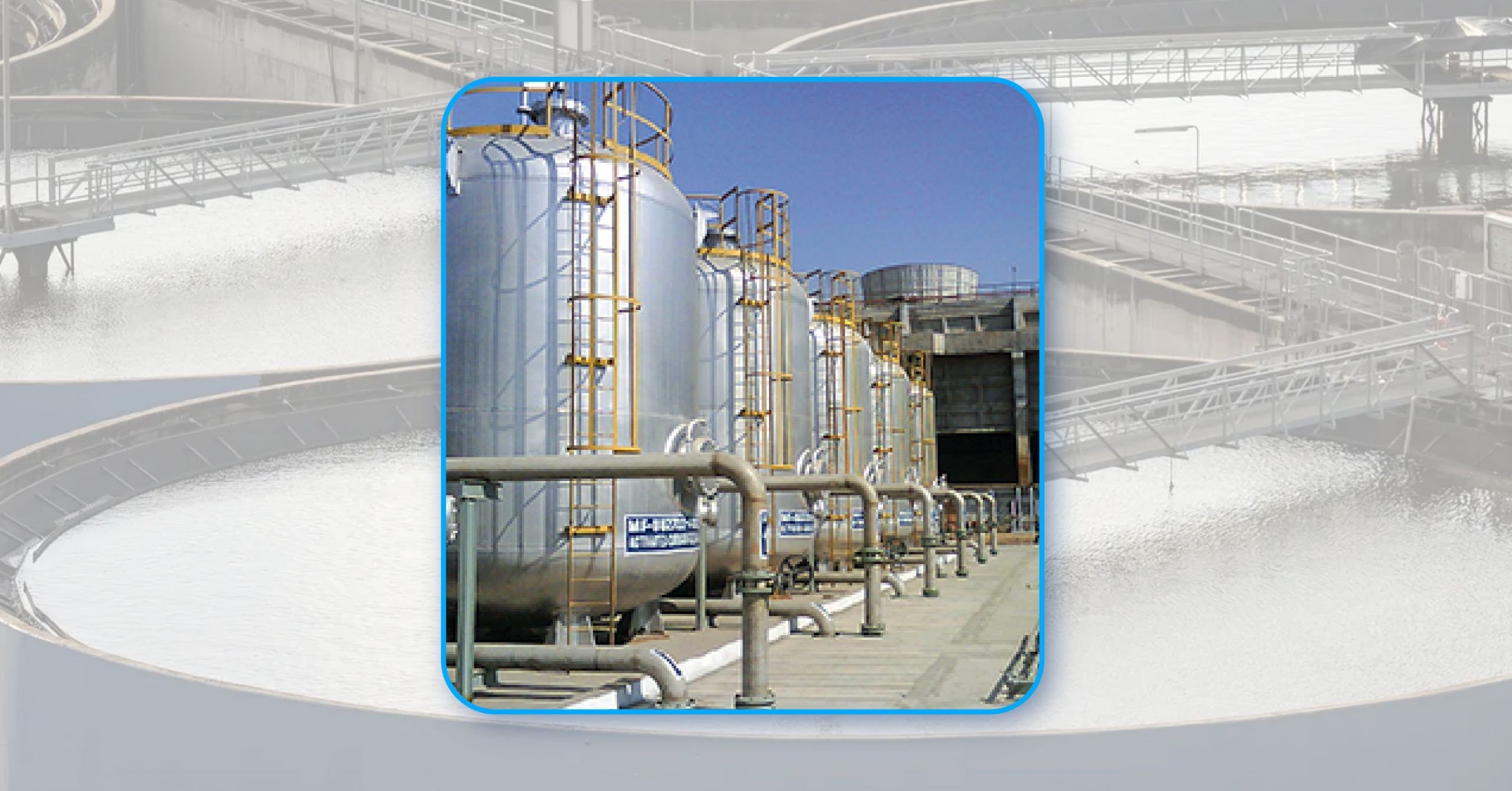
Whether used for drinking water, industrial operations, or specialized production processes, filtration systems help ensure that water meets specific quality requirements. In addition to improving water quality, effective filtration processing can enhance equipment reliability, reduce maintenance requirements, and support long-term system performance.
This article explains how water filtration processing works, common filtration methods, key applications, and the benefits it provides across different industries and environments.
What Is Water Filtration Processing?
Water filtration processing refers to the treatment of water through various filtration technologies designed to remove contaminants and improve water quality.
The process can target different types of impurities, including:
Suspended particles
Sediment
Sand and silt
Organic compounds
Microorganisms
Minerals
Chemical contaminants
The specific filtration method used depends on the intended application and the quality of the incoming water source.
Water filtration systems are commonly found in residential, commercial, municipal, and industrial settings.
Why Water Quality Matters
Water quality directly affects health, equipment performance, manufacturing processes, and operational efficiency.
Poor-quality water may contribute to:
Unpleasant taste or odor
Equipment scaling
Corrosion
Reduced process efficiency
Product quality issues
Increased maintenance requirements
By improving water quality, filtration systems help address these challenges and support more reliable operations.
How Water Filtration Processing Works
Water filtration systems remove contaminants by passing water through one or more treatment stages.
The filtration process generally involves:
Contaminant Capture
Particles and impurities are trapped within filter media or membranes.
Separation
Undesirable materials are separated from the water stream.
Purified Water Output
Filtered water exits the system with reduced contaminant levels.
Different filtration technologies target different types of impurities, allowing systems to be customized for specific water quality goals.
Common Water Filtration Methods
Several filtration technologies are widely used across water treatment applications.
Mechanical Filtration
Mechanical filtration removes visible particles and suspended solids.
Common contaminants removed include:
Sand
Dirt
Rust particles
Sediment
Mechanical filters often serve as the first stage in a multi-step treatment process.
Activated Carbon Filtration
Activated carbon filters help reduce:
Chlorine
Organic compounds
Odors
Taste-related impurities
These filters are commonly used in drinking water treatment systems.
Reverse Osmosis
Reverse osmosis uses a semi-permeable membrane to remove dissolved contaminants from water.
This technology can reduce:
Dissolved salts
Heavy metals
Certain chemicals
Microorganisms
Reverse osmosis systems are widely used in residential and industrial applications.
Ultrafiltration
Ultrafiltration membranes remove very small particles, bacteria, and certain microorganisms.
This technology is frequently used where higher levels of purification are required.
Multimedia Filtration
Multimedia filters utilize multiple layers of filtration materials to remove particles of varying sizes.
These systems are commonly used in larger water treatment facilities.
Applications of Water Filtration Processing
Water filtration processing supports a wide range of industries and everyday uses.
Drinking Water Treatment
One of the most common applications is improving drinking water quality.
Filtration systems help remove contaminants that may affect safety, taste, appearance, and odor.
Industrial Manufacturing
Many manufacturing processes require water that meets specific quality standards.
Industries using filtration systems include:
Food processing
Pharmaceutical production
Electronics manufacturing
Chemical processing
Textile manufacturing
Consistent water quality helps maintain production standards and process efficiency.
Agriculture
Agricultural operations use filtration systems to improve irrigation water quality and protect irrigation equipment from clogging.
Healthcare Facilities
Healthcare environments often require highly purified water for specific medical and laboratory applications.
Commercial Buildings
Office buildings, hotels, educational institutions, and retail facilities use filtration systems to improve water quality for occupants and operational systems.
Improving Equipment Performance Through Filtration
Water quality can have a direct impact on equipment performance.
Reducing Scale Formation
Minerals present in untreated water can accumulate inside equipment, pipes, and heat exchangers.
Filtration and treatment systems help reduce scaling issues that may affect efficiency.
Minimizing Corrosion
Certain contaminants can contribute to corrosion in water systems.
Improved water quality helps protect infrastructure and extend equipment life.
Preventing Blockages
Sediment and suspended particles may cause blockages in pipes, valves, and process equipment.
Filtration helps maintain smooth system operation by reducing particulate buildup.
Supporting Consistent Performance
Clean water contributes to more stable operating conditions and fewer interruptions caused by water-related issues.
Benefits of Water Filtration Processing
Water filtration provides advantages across residential and industrial environments.
Improved Water Quality
The primary benefit is cleaner water with reduced contaminant levels.
Enhanced Equipment Reliability
Cleaner water helps protect equipment from damage and excessive wear.
Lower Maintenance Requirements
Reducing contaminant buildup often results in fewer maintenance interventions.
Better Operational Efficiency
Many systems perform more efficiently when supplied with properly treated water.
Support for Regulatory Compliance
Certain industries must meet water quality standards established by regulatory authorities.
Filtration systems can help organizations maintain compliance with applicable requirements.
Factors to Consider When Selecting a Filtration System
Choosing the appropriate filtration solution depends on several factors.
Water Source
Different water sources may contain different contaminants.
Examples include:
Groundwater
Surface water
Municipal water supplies
Industrial process water
Water Quality Goals
Treatment objectives determine the type of filtration technology required.
Flow Rate Requirements
Systems must be sized appropriately to handle expected water demand.
Maintenance Considerations
Filter replacement schedules and maintenance requirements should be evaluated during system selection.
Future Expansion Needs
Facilities anticipating growth may benefit from scalable filtration solutions.
Emerging Trends in Water Filtration Technology
Water treatment technologies continue to evolve.
Several trends are shaping the future of filtration processing.
Smart Monitoring Systems
Digital monitoring tools help operators track system performance in real time.
Advanced Membrane Technologies
New membrane materials are improving filtration efficiency and contaminant removal capabilities.
Sustainable Water Management
Organizations are increasingly focused on reducing water consumption and improving water reuse practices.
Automated Filtration Controls
Automation technologies support more consistent operation and reduce manual intervention requirements.
These developments are helping improve water treatment effectiveness across multiple sectors.
Conclusion
Water filtration processing plays a critical role in improving water quality and supporting system performance across residential, commercial, industrial, and municipal applications. By removing contaminants such as sediment, organic matter, microorganisms, and dissolved substances, filtration systems help provide cleaner water for a wide range of uses.
In addition to enhancing water quality, filtration contributes to improved equipment reliability, reduced maintenance needs, and greater operational efficiency. As water treatment technologies continue to advance, filtration processing will remain an important component of sustainable water management and effective system operation.