
Industrial machinery plays a vital role in manufacturing, construction, agriculture, packaging, mining, and many other sectors. Whether a business is expanding production capacity, replacing older equipment, or introducing new processes, selecting the right machinery is an important decision that can influence productivity, efficiency, and long-term operational performance.
However, choosing industrial machinery is often more complex than simply comparing equipment specifications. Businesses must also evaluate suppliers, understand operational requirements, assess technical capabilities, and consider future needs. For organizations unfamiliar with industrial equipment procurement, the selection process can sometimes feel overwhelming.
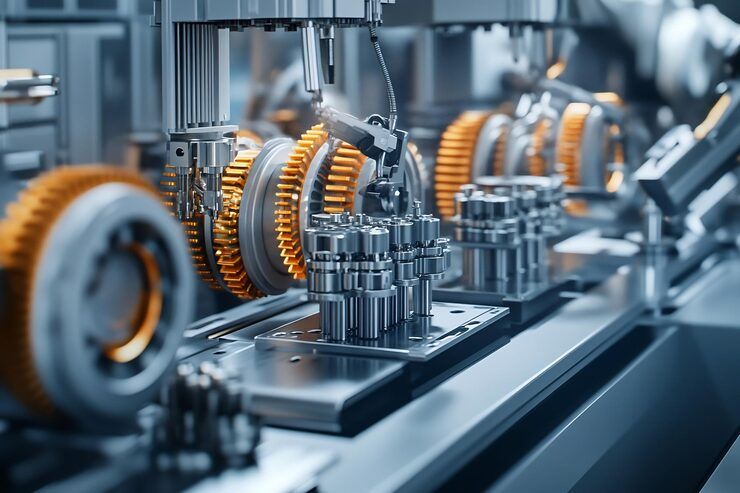
This guide explores practical supplier selection tips, important evaluation factors, and key considerations that can help businesses make informed decisions when choosing Industrial Machinery.
Why Choosing the Right Industrial Machinery Matters
Industrial machinery is often a significant part of daily operations. Equipment performance directly affects production output, workflow efficiency, product quality, and maintenance requirements.
Selecting suitable machinery can help organizations:
Improve operational efficiency
Support production goals
Enhance product consistency
Reduce downtime
Streamline workflows
Adapt to future growth
On the other hand, equipment that does not align with operational needs may create challenges that affect productivity and resource utilization.
Because of these factors, careful planning is essential before making any machinery-related decision.
Understanding Your Operational Requirements
Before evaluating suppliers or equipment models, businesses should clearly understand their own operational needs.
Important questions include:
What tasks will the machinery perform?
What production volume is required?
How many hours will the equipment operate daily?
What materials will be processed?
What level of automation is needed?
Answering these questions creates a strong foundation for equipment selection.
Without clear operational objectives, comparing machinery options can become difficult and confusing.
Evaluate Equipment Performance Capabilities
Industrial machinery is available in many sizes, configurations, and performance levels.
When reviewing equipment, consider:
Production Capacity
Production capacity refers to the amount of output a machine can handle within a specified timeframe.
Equipment should align with current requirements while allowing room for future expansion.
Speed and Efficiency
Faster machines are not always the right choice.
Businesses should focus on:
Consistent performance
Workflow compatibility
Resource efficiency
Operational reliability
A balanced approach often produces better long-term results.
Product Quality Requirements
For industries where precision is important, machinery accuracy can significantly influence outcomes.
Quality-focused industries often evaluate:
Measurement accuracy
Process consistency
Quality control capabilities
Repeatability of results
Understanding quality expectations helps narrow equipment options.
Research Supplier Experience
Selecting machinery also involves evaluating the supplier behind the equipment.
Suppliers with industry experience often possess a deeper understanding of operational requirements and technical challenges.
Areas to review may include:
Years of industry involvement
Machinery categories supplied
Industry specialization
Technical expertise
Project experience
Experience can provide valuable insights during equipment evaluation and implementation.
Review Technical Documentation
Reliable suppliers typically provide detailed documentation for their machinery.
Important documents may include:
Equipment specifications
Operating manuals
Installation requirements
Maintenance guidelines
Safety information
Reviewing documentation helps businesses understand whether equipment aligns with their operational needs.
Clear documentation also supports future maintenance and training activities.
Consider Equipment Reliability
Reliability is often one of the most important factors when selecting industrial machinery.
Unexpected downtime can affect:
Production schedules
Resource utilization
Customer commitments
Operational efficiency
When evaluating reliability, consider:
Equipment construction quality
Component durability
Maintenance requirements
Operating history
Reliable machinery contributes to smoother day-to-day operations.
Examine Automation Features
Modern industrial machinery increasingly incorporates automation technologies.
Common automation features include:
Programmable controls
Digital monitoring systems
Sensor technology
Automated adjustments
Performance tracking tools
Automation can support operational efficiency while improving process consistency.
Businesses should determine whether automation features align with their workflow requirements and technical capabilities.
Assess Maintenance Requirements
All machinery requires ongoing maintenance to maintain performance and operational stability.
Before selecting equipment, evaluate:
Maintenance Frequency
Some machines require more frequent maintenance than others.
Understanding maintenance schedules helps organizations plan resources effectively.
Component Availability
Replacement components should be readily accessible when maintenance becomes necessary.
Technical Support Resources
Access to technical information can help maintenance teams address equipment issues more efficiently.
Evaluating maintenance considerations early can help reduce operational disruptions later.
Evaluate Energy Efficiency
Energy consumption is an important factor in many industrial environments.
Energy-efficient machinery may help organizations:
Reduce resource consumption
Improve operational sustainability
Support environmental objectives
Enhance process efficiency
Many modern machines incorporate technologies designed to optimize energy usage while maintaining productivity.
Reviewing efficiency specifications can support more informed equipment comparisons.
Understand Safety Features
Industrial environments often involve complex machinery and workplace risks.
Safety considerations should always be part of the selection process.
Important safety features may include:
Emergency stop systems
Safety guards
Monitoring sensors
Warning indicators
Operator protection mechanisms
A strong safety framework supports workplace well-being and regulatory compliance.
Businesses should carefully review safety documentation before finalizing equipment decisions.
Assess Supplier Communication
Clear communication is important throughout the machinery selection process.
Effective communication can help organizations:
Clarify technical details
Understand equipment capabilities
Address operational concerns
Coordinate installation activities
Suppliers that communicate clearly often make the evaluation process more efficient and transparent.
Questions should be answered accurately and supported with appropriate documentation.
Consider Future Business Growth
Machinery investments often remain part of operations for many years.
Businesses should consider future requirements such as:
Production expansion
Product diversification
Process changes
Increased automation
Selecting equipment with flexibility can help accommodate evolving operational needs.
Planning for future growth reduces the likelihood of premature equipment replacement.
Visit Existing Installations When Possible
Seeing machinery in operation can provide valuable insights that specifications alone may not reveal.
Site visits may help organizations observe:
Equipment performance
Workflow integration
Operator interaction
Maintenance procedures
Production consistency
Real-world observations often contribute to a more complete understanding of machinery capabilities.
Compare Multiple Options
Selecting industrial machinery should involve evaluating several alternatives.
Comparisons may include:
Technical specifications
Reliability factors
Maintenance requirements
Energy efficiency
Automation features
Supplier experience
A structured comparison process helps organizations make more informed decisions.
Rushing equipment selection can increase the risk of choosing machinery that does not fully meet operational requirements.
Technology Trends Influencing Industrial Machinery
Industrial machinery continues evolving through technological innovation.
Smart Manufacturing
Connected systems provide real-time performance monitoring and operational insights.
Artificial Intelligence
AI technologies are increasingly used to support predictive maintenance and process optimization.
Industrial Internet of Things
Connected devices help collect operational data that supports efficiency improvements.
Advanced Robotics
Robotic technologies continue expanding across manufacturing and logistics operations.
Understanding these trends can help businesses evaluate machinery with future capabilities in mind.
Conclusion
Choosing Industrial Machinery involves more than reviewing technical specifications. Businesses must understand their operational requirements, evaluate supplier experience, assess reliability, consider maintenance needs, and plan for future growth.
A thoughtful selection process helps organizations identify machinery that aligns with production goals, operational workflows, and long-term objectives. By carefully evaluating suppliers and equipment options, businesses can make informed decisions that support efficiency, productivity, and sustainable industrial operations.