Modern warehouses handle thousands of products, inventory movements, and order fulfillment activities every day. As customer expectations continue to increase and supply chains become more complex, businesses are looking for ways to improve warehouse productivity while maintaining inventory accuracy.
One technology that has gained significant attention in warehouse operations is the Automated Storage and Retrieval System (ASRS). These systems use automation, software, and material-handling equipment to store and retrieve inventory with minimal manual intervention.
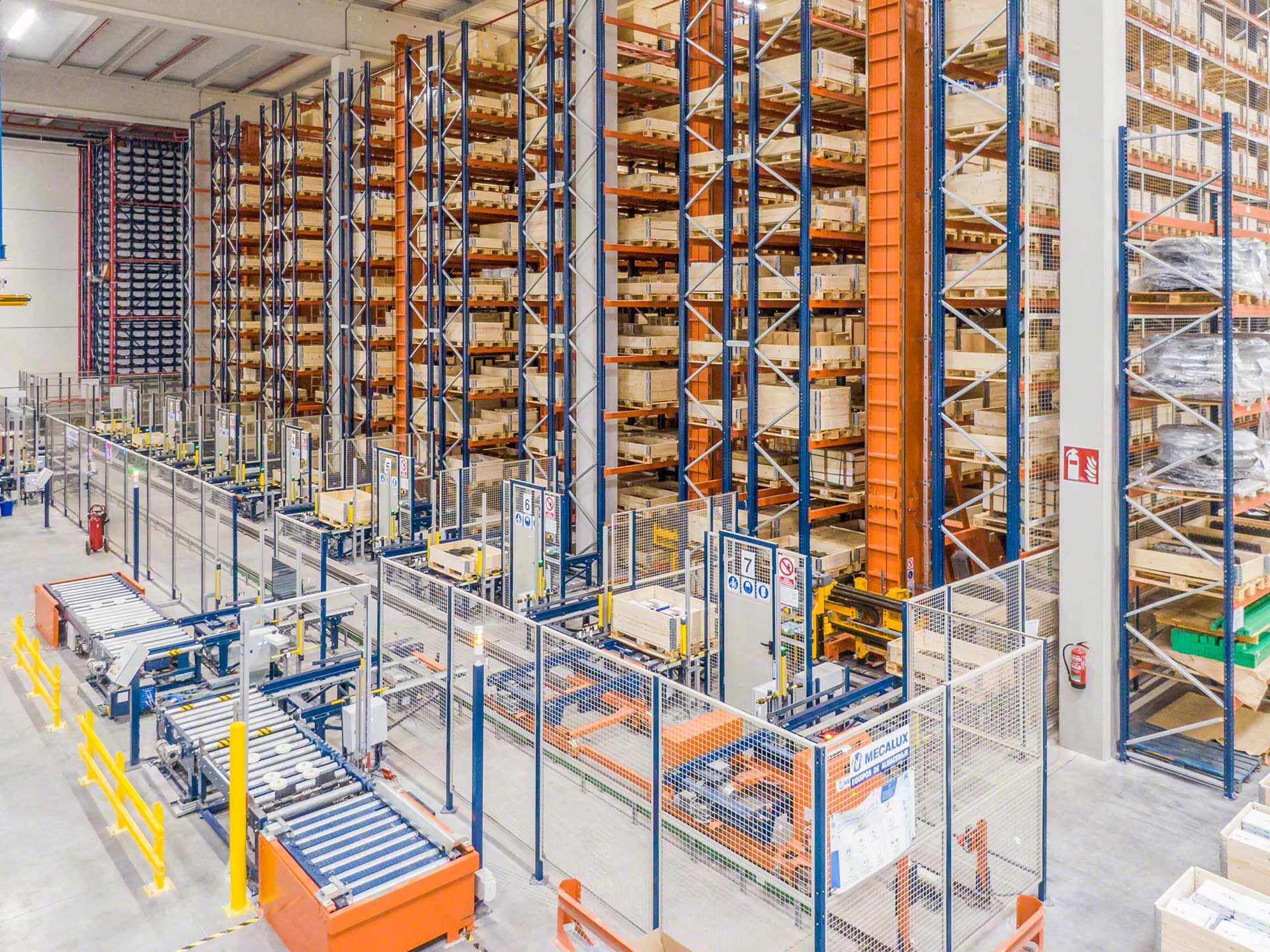
By streamlining inventory management and reducing repetitive tasks, Automated Storage and Retrieval Systems can help warehouses improve efficiency, accuracy, and space utilization.
What Is an Automated Storage and Retrieval System?
An Automated Storage and Retrieval System (ASRS) is a warehouse automation solution designed to automatically place products into storage locations and retrieve them when needed.
The system typically combines:
Storage racks
Automated cranes
Shuttle systems
Conveyors
Robotics
Sensors
Warehouse management software
These components work together to move inventory efficiently throughout the warehouse.
ASRS technology is commonly used in:
Distribution centers
Manufacturing facilities
E-commerce warehouses
Pharmaceutical operations
Food and beverage facilities
Industrial storage environments
How ASRS Works
An Automated Storage and Retrieval System follows a structured process for inventory handling.
Inventory Storage
Products entering the warehouse are identified and assigned to designated storage locations.
Automated Placement
The system transports inventory to the assigned location using automated equipment such as cranes, shuttles, or robotic mechanisms.
Inventory Tracking
Warehouse software continuously records inventory locations and stock levels.
Retrieval Requests
When products are needed for production, shipping, or replenishment, the system receives retrieval instructions.
Automated Retrieval
The required items are automatically retrieved and delivered to the designated workstation or shipping area.
This process minimizes manual travel and helps improve operational efficiency.
Why Warehouse Efficiency Matters
Warehouse efficiency directly affects supply chain performance.
Efficient operations help businesses:
Process orders faster
Reduce delays
Improve inventory visibility
Optimize labor resources
Enhance customer satisfaction
Support business growth
As order volumes increase, efficient inventory handling becomes increasingly important.
Improving Inventory Accuracy
Inventory accuracy is essential for effective warehouse management.
Manual inventory handling can sometimes lead to:
Incorrect stock counts
Misplaced products
Picking errors
Data entry mistakes
Automated Storage and Retrieval Systems help improve accuracy by using software-driven inventory tracking and automated handling processes.
Benefits include:
Real-time inventory visibility
Reduced human error
Accurate location tracking
Improved stock management
Accurate inventory records support better planning and decision-making.
Reducing Manual Labor Requirements
Traditional warehouses often require employees to travel long distances to locate and retrieve products.
ASRS technology automates many of these repetitive activities.
Automated systems can handle:
Product storage
Inventory retrieval
Stock replenishment
Material transport
This allows warehouse personnel to focus on supervision, quality control, and other value-added activities.
Maximizing Warehouse Space Utilization
Warehouse space is a valuable operational resource.
Traditional storage layouts may leave unused vertical space or require wide aisles for equipment movement.
Automated Storage and Retrieval Systems are designed to maximize available storage capacity.
Advantages include:
Higher storage density
Better use of vertical space
Reduced aisle requirements
Improved warehouse organization
Efficient space utilization can support increased inventory capacity within existing facilities.
Faster Order Fulfillment
Order fulfillment speed is an important performance metric for many businesses.
Customers increasingly expect rapid processing and delivery.
ASRS technology can accelerate fulfillment by:
Quickly locating inventory
Reducing travel time
Automating retrieval processes
Streamlining picking operations
Faster fulfillment can improve operational efficiency and support customer expectations.
Enhancing Inventory Visibility
Warehouse managers need accurate information about inventory levels and product locations.
Automated systems maintain detailed inventory records and provide real-time updates.
This visibility helps organizations:
Monitor stock levels
Identify inventory shortages
Track product movement
Improve forecasting accuracy
Enhanced visibility contributes to better inventory control throughout the supply chain.
Supporting High-Volume Operations
Large warehouses often process substantial numbers of inventory transactions daily.
Automated Storage and Retrieval Systems can handle high transaction volumes while maintaining consistent performance.
Benefits for high-volume operations include:
Increased throughput
Reduced bottlenecks
Consistent processing speed
Improved operational stability
This capability is especially valuable for distribution centers and e-commerce fulfillment facilities.
Improving Workplace Safety
Warehouse environments can involve risks associated with heavy lifting, equipment operation, and repetitive movements.
Automation helps reduce employee exposure to certain physical tasks.
ASRS technology may contribute to safety improvements by:
Reducing manual handling
Limiting forklift traffic in storage areas
Minimizing repetitive lifting activities
Supporting controlled inventory movement
Safer working environments can improve overall operational performance.
Types of Automated Storage and Retrieval Systems
Several ASRS configurations are available depending on warehouse requirements.
Unit Load ASRS
Designed for handling large pallets and heavy inventory loads.
Commonly used in manufacturing and distribution facilities.
Mini Load ASRS
Used for smaller containers, cartons, and totes.
Suitable for high-density storage applications.
Shuttle-Based Systems
Utilize automated shuttles that move products between storage locations and workstations.
Often used in high-throughput environments.
Vertical Lift Modules
Store inventory vertically within enclosed systems and deliver products directly to operators.
Suitable for maximizing space efficiency.
Carousel Systems
Rotate stored items to operator stations for picking and replenishment activities.
Frequently used for smaller inventory items.
Integration with Warehouse Management Systems
Many ASRS installations integrate with Warehouse Management Systems (WMS).
This integration allows:
Real-time inventory updates
Automated inventory allocation
Order prioritization
Performance monitoring
Inventory reporting
Software integration helps coordinate warehouse activities more effectively.
Supporting Scalability
Warehouse requirements often change as businesses grow.
Automated systems can support expansion by accommodating:
Increased inventory volumes
Higher order activity
Additional storage requirements
Expanded product ranges
Scalable warehouse infrastructure helps organizations adapt to future operational demands.
Common Industries Using ASRS
Automated Storage and Retrieval Systems are used across a variety of industries.
Examples include:
E-commerce
Retail distribution
Manufacturing
Automotive production
Pharmaceuticals
Food and beverage processing
Electronics manufacturing
Each industry benefits from improved inventory management and operational efficiency.
Challenges to Consider
While ASRS technology offers numerous benefits, organizations should evaluate several considerations before implementation.
These may include:
Facility requirements
System integration needs
Employee training
Maintenance planning
Operational process changes
Careful planning helps ensure successful deployment and long-term performance.
Conclusion
Automated Storage and Retrieval Systems have become an important component of modern warehouse operations. By automating inventory storage, retrieval, and tracking processes, these systems help improve efficiency, accuracy, space utilization, and order fulfillment performance.
As supply chains continue to evolve and customer expectations increase, warehouse automation technologies such as ASRS provide organizations with tools to manage inventory more effectively and support long-term operational growth. Understanding how these systems work can help businesses evaluate their role in creating more efficient and accurate warehouse environments.