Car ownership comes with various responsibilities, and one of the most important is ensuring that a vehicle has appropriate insurance coverage. Car insurance helps provide financial protection against certain risks associated with driving, including accidents, vehicle damage, theft, and third-party liabilities.
Understanding available coverage options can help vehicle owners make informed decisions that align with their needs and circumstances.
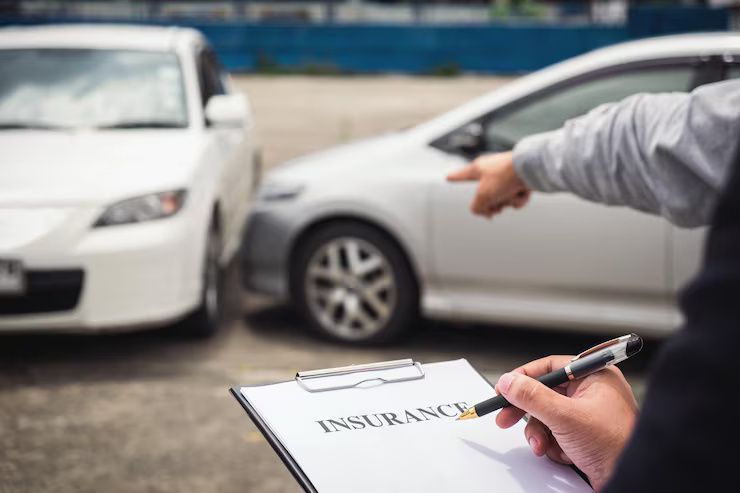
PolicyBazaar Car Insurance is a term commonly associated with comparing and exploring different car insurance plans available from multiple insurance providers through a digital platform. For many drivers, understanding policy types, coverage components, and additional protection options can simplify the process of selecting suitable insurance coverage.
This guide explains the fundamentals of car insurance, common policy types, key coverage options, and important factors to consider when evaluating vehicle protection plans.
What Is Car Insurance?
Car insurance is a contractual arrangement between a vehicle owner and an insurance company. Under the terms of the policy, the insurer provides financial assistance for covered incidents, subject to policy conditions, limits, and exclusions.
Car insurance is designed to help address financial losses that may arise from:
Road accidents
Vehicle damage
Theft incidents
Natural disasters
Fire-related damage
Third-party liabilities
Coverage details vary depending on the policy selected and the insurer's terms.
Understanding PolicyBazaar Car Insurance
PolicyBazaar is a digital insurance comparison platform that allows users to review and compare insurance products from multiple insurance providers.
When exploring PolicyBazaar Car Insurance options, users can typically:
Compare policy features
Review coverage options
Examine add-on protections
Understand policy terms
Evaluate claim-related information
Access insurance-related resources
The platform functions as an information and comparison tool that helps individuals understand available insurance choices.
Why Car Insurance Is Important
Driving involves risks that can result in unexpected financial expenses. Car insurance helps manage these risks by providing protection for covered situations.
Some common reasons car insurance is important include:
Financial protection against vehicle damage
Coverage for third-party liabilities
Support during theft-related incidents
Protection from certain natural disaster events
Compliance with legal requirements in many regions
Insurance coverage can help reduce the financial impact of unforeseen events involving a vehicle.
Main Types of Car Insurance Coverage
Understanding policy categories is an important step when evaluating insurance options.
Third-Party Insurance
Third-party insurance focuses on liabilities involving other individuals, vehicles, or property.
Coverage may include:
Damage to another person's property
Injuries to third parties
Legal liabilities arising from covered incidents
This type of insurance is often required under motor vehicle regulations in many jurisdictions.
Comprehensive Car Insurance
Comprehensive insurance generally combines third-party liability coverage with protection for the insured vehicle.
Coverage may include:
Accident-related damage
Theft-related losses
Fire damage
Natural disaster-related damage
Vandalism-related incidents
The exact scope of coverage depends on policy terms and conditions.
Own Damage Coverage
Own damage coverage focuses specifically on damage to the insured vehicle resulting from covered events.
Examples may include:
Collision damage
Fire-related incidents
Flood-related damage
Storm-related damage
This coverage helps address repair or restoration expenses associated with covered losses.
Common Coverage Components
Many car insurance policies contain several standard coverage elements.
Accident Damage Protection
Accident-related coverage may help address repair expenses resulting from collisions or other covered incidents.
Theft Protection
Some policies provide financial assistance if the insured vehicle is stolen and recovery is unsuccessful.
Fire Damage Coverage
Coverage may apply when a vehicle experiences damage resulting from fire-related events.
Natural Disaster Protection
Certain policies include coverage for damage caused by:
Floods
Storms
Cyclones
Earthquakes
Landslides
Coverage details depend on policy wording.
Personal Accident Coverage
Some insurance plans include personal accident benefits for the vehicle owner or authorized driver.
These benefits may apply under specific conditions outlined in the policy.
Understanding Add-On Covers
Many insurers provide optional add-on protections that can extend coverage beyond the standard policy.
Zero Depreciation Cover
This add-on may reduce the impact of depreciation when calculating claim settlements for eligible vehicle parts.
Roadside Assistance
Roadside assistance can help in situations such as:
Battery-related issues
Flat tires
Fuel-related emergencies
Vehicle breakdowns
Coverage varies according to policy conditions.
Engine Protection Cover
Engine protection may provide additional coverage for certain engine-related damage scenarios.
Consumables Cover
This add-on may include coverage for specific consumable items associated with vehicle repairs after covered incidents.
Return to Invoice Cover
Certain policies include provisions that may help bridge the gap between the insured vehicle value and invoice value under qualifying circumstances.
Policy terms determine eligibility and limitations.
Factors That Influence Car Insurance Premiums
Insurance premiums are calculated using multiple factors.
Vehicle Type
The make, model, age, and specifications of a vehicle can influence premium calculations.
Geographic Location
The region where a vehicle is registered and primarily used may affect insurance rates.
Driving History
Previous claim records and driving history can influence policy pricing.
Coverage Selection
The extent of coverage and optional add-ons may impact premium amounts.
Insured Declared Value (IDV)
The Insured Declared Value represents the estimated market value of the vehicle for insurance purposes.
IDV plays an important role in premium calculations and claim settlements.
Understanding the Claim Process
Knowing how claims work can help policyholders navigate unexpected situations more effectively.
Step 1: Report the Incident
The policyholder informs the insurer about the incident as soon as possible.
Step 2: Documentation
Relevant documents may include:
Policy details
Vehicle registration documents
Driver's license
Incident reports
Photographs of damage
Step 3: Inspection
The insurer may arrange an inspection to assess the extent of damage.
Step 4: Evaluation
The claim is reviewed according to policy terms, conditions, and coverage limits.
Step 5: Settlement
Claim settlement follows the insurer's assessment and policy provisions.
Specific procedures vary among insurance providers.
Tips for Comparing Car Insurance Policies
When evaluating PolicyBazaar Car Insurance options, several factors may be useful to consider.
Review Coverage Carefully
Examine what is included and excluded under the policy.
Understand Deductibles
Deductibles represent the portion of expenses that the policyholder may need to bear under certain circumstances.
Compare Add-On Options
Additional covers can provide broader protection depending on individual requirements.
Check Claim Procedures
Understanding claim documentation and settlement processes can be helpful before selecting a policy.
Evaluate Network Facilities
Some insurers maintain networks of authorized repair facilities that may support claim-related repairs.
Common Misunderstandings About Car Insurance
Several misconceptions can create confusion when reviewing insurance policies.
Comprehensive Coverage Includes Everything
Comprehensive policies contain exclusions and limitations. Reading policy documents carefully is important.
Older Vehicles Do Not Need Insurance
Even older vehicles may face risks such as accidents, theft, or third-party liabilities.
All Claims Are Automatically Approved
Claim approval depends on policy conditions, documentation, and coverage eligibility.
Add-On Covers Are Mandatory
Optional covers are typically selected based on individual preferences and coverage requirements.
Understanding these points can help vehicle owners make more informed decisions.
Future Trends in Car Insurance
Technology continues to influence the insurance industry.
Emerging developments include:
Digital policy management
Telematics-based insurance models
AI-assisted claim processing
Mobile claim submissions
Enhanced fraud detection systems
Data-driven risk assessment
These innovations are helping insurers improve efficiency and customer interactions.
Conclusion
PolicyBazaar Car Insurance provides a platform for exploring and comparing vehicle insurance options from multiple insurers. Understanding the differences between third-party coverage, comprehensive plans, own damage protection, and optional add-ons can help vehicle owners evaluate coverage that aligns with their needs.
By reviewing policy features, claim procedures, coverage components, and emerging industry trends, individuals can gain a clearer understanding of vehicle protection options and make informed insurance decisions.